MedInsightHealthcare Market Intelligence — home
Press ReleaseMedical Devices

MedInsight Adds New Research Coverage on Surgical Robotics, Implants & Orthopedics

MedInsight (ResearchX) has published new research coverage focused on surgical robotics, orthopedic implants, and enabling technologies shaping procedure workflows, procurement decisions, and competitive positioning. The coverage maps technology segmentation, adoption pathways, and risk factors across hospital and ASC environments.

MedInsight Adds New Research Coverage on Surgical Robotics, Implants & Orthopedics content

Research Coverage Announcement

MedInsight, the healthcare and medical-devices market intelligence platform by ResearchX, today announced expanded research coverage dedicated to Surgical Robotics, Implants & Orthopedics. The new coverage is designed for medical-device leadership teams, investors, healthcare providers, and procurement stakeholders tracking how robotic assistance, implant innovation, and data-enabled workflows are changing orthopedic surgical pathways.

This research release focuses on market structure and decision dynamics rather than any single vendor or product. It provides an organized view of technology categories, clinical and operational adoption drivers, purchasing models, and the regulatory and reimbursement considerations that frequently influence robotics and implant utilization in orthopedic service lines.

Key Highlights of the New Coverage

  • Segmentation framework covering surgical robotic assistance, navigation, implant ecosystems, and enabling software across major orthopedic procedure areas
  • Procurement and adoption analysis for hospitals versus ambulatory surgery centers (ASCs), including pathway implications for throughput, staffing, and standardization
  • Competitive landscape mapping focused on platform strategies, installed-base dynamics, and ecosystem lock-in factors (implants, instruments, planning, analytics)
  • Risk and diligence lens on clinical evidence expectations, post-market surveillance considerations, cybersecurity posture for connected systems, and service/support readiness
  • Commercialization factors review including contracting patterns, capital versus usage-based models, and implications for value analysis committees

What the Research Coverage Includes

MedInsight’s coverage on Surgical Robotics, Implants & Orthopedics is organized to support both strategic planning and diligence workflows. It is structured around how orthopedic technologies are evaluated and deployed in real-world care settings—spanning preoperative planning, intraoperative execution, and postoperative follow-up.

  • Technology segmentation: robotic assistance systems, computer-assisted navigation, patient-specific instrumentation, smart/connected instruments, and adjacent digital surgery software
  • Orthopedic scope: key procedure segments such as knee, hip, spine, trauma/extremities, and shoulder—addressed through a workflow and adoption lens rather than vendor-specific claims
  • Clinical and operational adoption drivers: reproducibility, alignment/positioning objectives, OR efficiency considerations, learning-curve implications, and site-of-care migration pressures
  • Economic and procurement decision-making: capital equipment evaluation, total cost of ownership considerations (service, disposables, upgrades), contracting levers, and utilization thresholds commonly considered by value analysis teams
  • Ecosystem dynamics: interplay between implants, instruments, planning software, imaging inputs, and data/analytics that may increase switching costs or standardization incentives
  • Regulatory and compliance considerations: device classification and evidence expectations by technology type, post-market monitoring signals, and quality system considerations relevant to connected systems
  • Implementation considerations: training models, credentialing and proctoring approaches, integration with perioperative IT, and maintenance/service readiness
  • Market monitoring indicators: signals that may suggest acceleration or slowdown in adoption, including capacity constraints, reimbursement shifts, competing clinical pathways, and procurement sentiment

How to Use This Coverage

This research is intended to help stakeholders compare adoption readiness across procedure lines, assess platform and ecosystem strategies, and identify diligence questions that frequently surface in procurement cycles and investment reviews.

Coverage Lens: Topics and Primary Stakeholders

Coverage Lens: Topics and Primary Stakeholders
Topic AreaWhat the Coverage AddressesPrimary Stakeholders
Technology & workflow segmentationHow robotics, navigation, implants, and software map to orthopedic workflows and operating-room touchpointsStrategy leaders, product teams, clinical leadership
Adoption and utilization dynamicsDrivers and constraints affecting utilization, training ramp, and scheduling/throughput considerationsHospital/ASC administrators, service line directors
Procurement & contracting considerationsCommon purchase models, service/disposable cost drivers, and value analysis themesSupply chain, value analysis committees, finance
Risk and diligence frameworkEvidence expectations, cybersecurity/IT integration considerations, and operational risksInvestors, compliance, IT/security, operations
Competitive landscape structurePlatform approaches and ecosystem effects that influence switching behaviorExecutives, corporate development, investors

Industry Context: Why Surgical Robotics and Orthopedics Are Being Evaluated Together

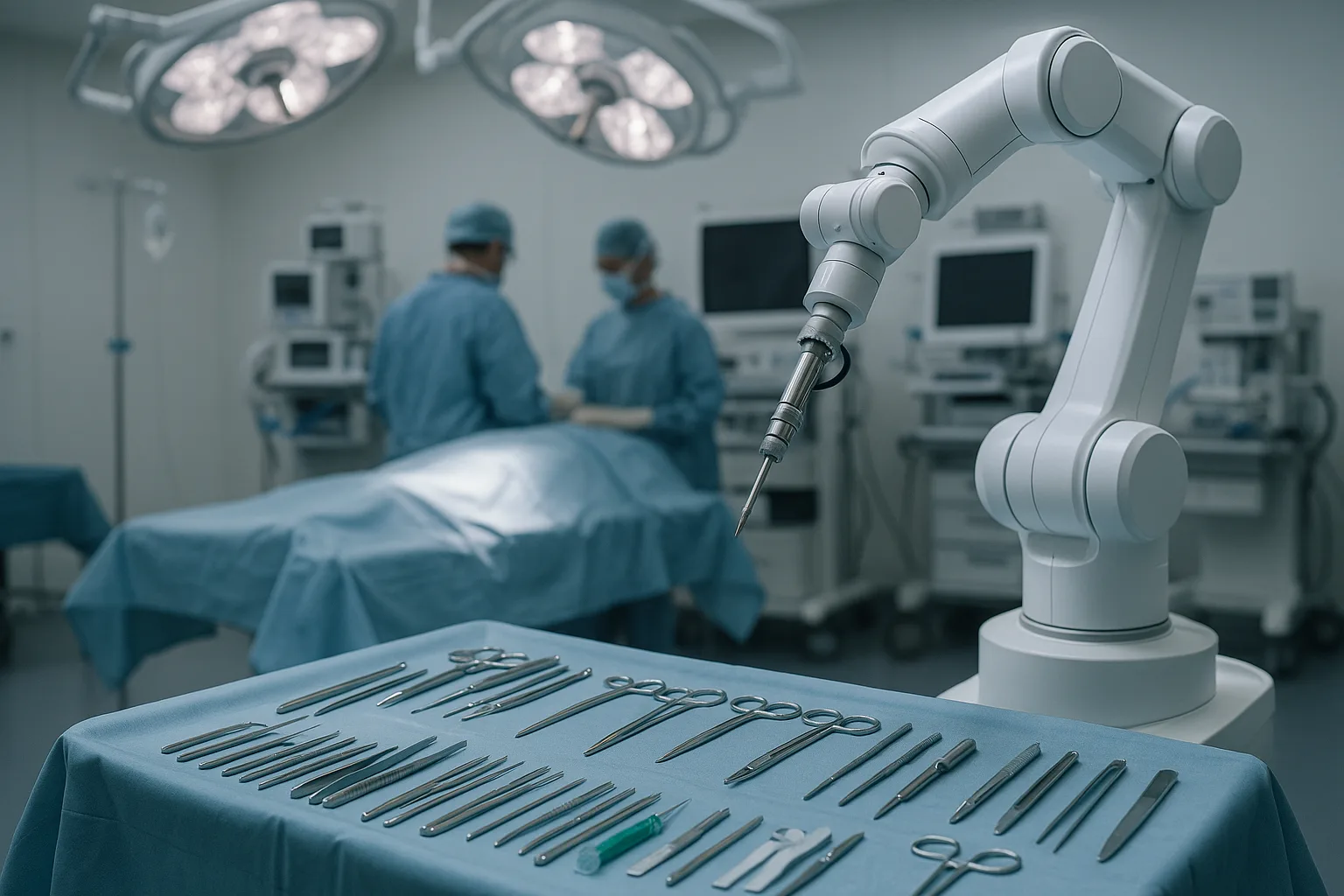
Orthopedics is increasingly shaped by platform thinking—where robotic or navigation capabilities, implant families, instruments, and planning software can be evaluated as an integrated system. In many care settings, technology selection is influenced not only by clinical goals, but also by standardization needs, surgeon preference heterogeneity, service and uptime expectations, and the operational realities of achieving sufficient utilization.

Site-of-care dynamics also matter. Hospitals and ASCs may prioritize different attributes, such as scheduling flexibility, footprint constraints, service response times, sterilization workflows, and predictable per-case costs. As orthopedic volumes continue to be scrutinized for efficiency and margin resilience, stakeholders commonly seek clearer frameworks for comparing technology approaches without over-relying on marketing claims or isolated performance anecdotes.

  • Growing emphasis on reproducibility and workflow consistency across surgeons and sites within health systems
  • Operational focus on OR time, turnover, instrument processing, and training/credentialing pathways
  • Increased attention to software and connectivity: planning tools, data capture, analytics, and integration with perioperative systems
  • Heightened diligence on cybersecurity and uptime given the connected nature of modern surgical platforms
  • Procurement sensitivity to total cost of ownership, service coverage, upgrade cycles, and vendor support infrastructure

Strategic Significance for Stakeholders

For device manufacturers and technology developers, surgical robotics and orthopedics remain a competitive arena where differentiation can shift from single-feature claims to ecosystem completeness, service reliability, and procedure-line expansion. MedInsight’s coverage is designed to help teams identify where strategic emphasis is likely to move—such as bundled workflow solutions, data-enabled services, and training models that support scalable adoption.

For providers and procurement groups, the research frames technology evaluation in terms of clinical governance, utilization planning, and operational impact. For investors and corporate development teams, it provides a structured view of market drivers and risk factors that may influence adoption pace, competitive durability, and commercialization complexity over time.

  1. Define the decision unit: procedure-level evaluation versus platform-level standardization across service lines
  2. Separate adoption intent from utilization reality: assess constraints such as staffing, room availability, training throughput, and case mix
  3. Stress-test economics: include service contracts, disposable utilization, upgrade paths, and expected lifespan—beyond initial capex
  4. Account for integration and risk: IT integration, cybersecurity posture, post-market surveillance dynamics, and supply continuity
  5. Evaluate ecosystem lock-in: understand how implants, instruments, and planning/data layers may affect switching costs and contracting leverage

Insights

Related Blogs

Editorial-style illustration showing a split healthcare workflow: on one side a clinician applying a modern wound dressi...Blog

Medical Devices

Specialized Care Devices in Wound Management & Dental: Where Clinical Workflow and Reimbursement Drive Buying Decisions

Wound management and dental device demand is shaped less by headline innovation and more by pragmatic adoption factors: evidence thresholds, workflow fit, infection prevention, and reimbursement economics. This article maps the technology landscape, key use cases, and commercial signals across these adjacent—but operationally distinct—specialized care segments.

Read Article

Briefings

Related Newsletters

Newsroom

Related Press Releases

Related Research

Related Reports

Need a Market View Built for Your Decision?

Get custom research on any market in the healthcare ecosystem, tailored to your business question. An analyst will scope the work, agree the method with you and deliver a model you can interrogate.

  • Named analyst on every engagement
  • Scoped in 48 hours
  • Assumptions shared, not hidden
  • Quarterly refresh included